5 Ways Modern Games Are Borrowing From Classic Arcade Design

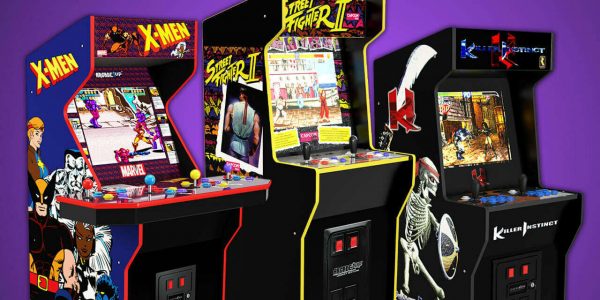
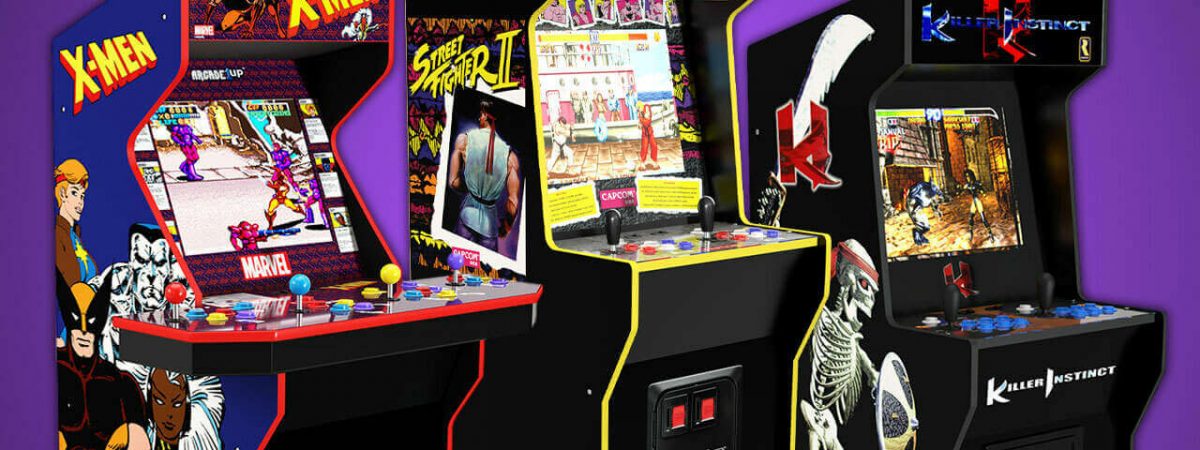


Modern games often struggle with a familiar problem: players have more choice than ever, yet less patience. Endless tutorials, bloated progression trees, and padded runtimes can push people away before the fun even starts. Developers know it, too. That’s why so many studios are quietly looking backward to move forward.
Arcade-era design solved engagement with ruthless efficiency. You learned fast, failed faster, and came back for one more run. In 2026, that philosophy is resurfacing across genres, not as nostalgia bait, but as a practical answer to modern design fatigue.
- Short-session design returns
The problem with many contemporary releases is time commitment. Not every player wants a two-hour onboarding process just to feel competent. Arcade cabinets thrived because they respected short attention spans without feeling shallow.
The solution shows up in today’s bite-sized loops. Games are increasingly built around ten- to twenty-minute sessions that still feel complete. Roguelikes, extraction shooters, and even some RPGs now prioritise fast entry and meaningful exits, echoing the immediacy that made arcades magnetic in the first place.
- Risk and reward loops
Modern progression systems often feel either too safe or punishingly opaque. Arcade games solved this decades ago by making risk obvious and rewards tempting. You always knew when you were gambling your last life for a bonus or shortcut.
Developers are leaning back into that clarity, recognising that a little risk creates engagement without alienating cautious players. That same psychology shows up in gambling games, too. When playing the best online slots real money play is the most common option, meaning players appreciate transparent odds and immediate feedback to know whether or not they want to keep spinning. The underlying lesson is that meaningful choice matters more than raw difficulty – there’s a reason that slots remain the most popular casino game year after year.
- High-score culture revival
One issue with sprawling modern games is the lack of clear personal benchmarks. When everything scales endlessly, it’s hard to know when you’ve actually improved. Arcades fixed that with a single, brutally honest metric: the high score.
That mentality is back. Leaderboards, daily challenges, and weekly resets give players something concrete to chase. The influence traces directly to classic cabinets,where competition was public and performance was visible. Today’s digital boards recreate that social pressure, even when you’re playing alone.
- Monetization meets nostalgia
Modern monetization can feel disconnected from play, which creates friction. Arcade machines never had that problem; the cost of entry was clear, and every credit promised a fair shot at mastery.
Some contemporary games are addressing this by aligning purchases with play intensity rather than obligation. Cosmetic rewards, optional boosts, and arcade-style unlocks feel earned instead of imposed. It’s a design lineage that runs through classics like Ms. Pac-Man, whose influence on pacing and reward timing is still felt today.
- Balancing skill and chance
Pure skill can be intimidating, while pure randomness feels hollow. Arcade games walked a careful line between the two, using unpredictable patterns and escalating pressure to keep runs fresh without negating mastery.
Modern designers are solving the same problem with procedural generation layered over tight mechanics. Roguelikes, deck-builders, and narrative permadeath systems borrow arcade unpredictability while adding depth and context. Visual and audio cues have evolved, too, turning flashing lights and escalating sound effects into sophisticated feedback systems that guide player behaviour. That blend of old and new aligns with today’s gaming design, showing that arcade DNA isn’t a gimmick—it’s a blueprint.