


In early December 1993, the University of Wisconsin-Madison’s servers crashed as more than 10,000 people attempted to download a copy of Doom from its servers. This wasn’t a hack or a leak though, it was an intentional digital release of the game by its publisher id Software.
After many players finally managed to download a copy of the game, Doom continued to wreak havoc on computer networks, with several universities having introduced Doom-specific rules to throttle or block the multiplayer functionality as too many concurrent players pushed the early-90’s network infrastructure to its limits.
Within two years, Gabe Newell, a key figure at Microsoft at the time believed that Doom was the most-used software application in the entire United States, ahead of the company’s own Windows 95 operating system.
Doom was so popular because was revolutionary, it was an early pioneer of the first-person shooter genre and it helped to inspire thousands of more games like it.
But the success of Doom didn’t just come from being one of the first of a new breed of games. It also achieved this popularity because it was free. Players could download it at no cost, play the first few levels at no cost, and even legally share it to their friends at no cost.
Though it gave away the game for free, id still made money from Doom by allowing players to pay to unlock even more levels after they’d tried out the first few. Of course, many didn’t take up this offer. But 1.36 million of them did, generating $8.74 million for the company.
Few developers copied id’s monetization and distribution strategy back then, opting instead to sell physical copies in stores like most other software at that time. Today though, things have come full circle and many of the most successful video games on the market are available for free. Given that that is the case, will there ever be a point in the future where we never have to pay for a game ever again?
The Types of Game That Are Free Today
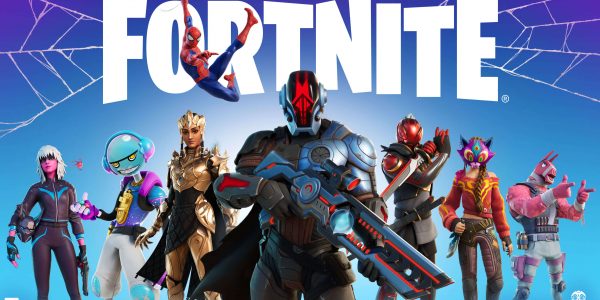
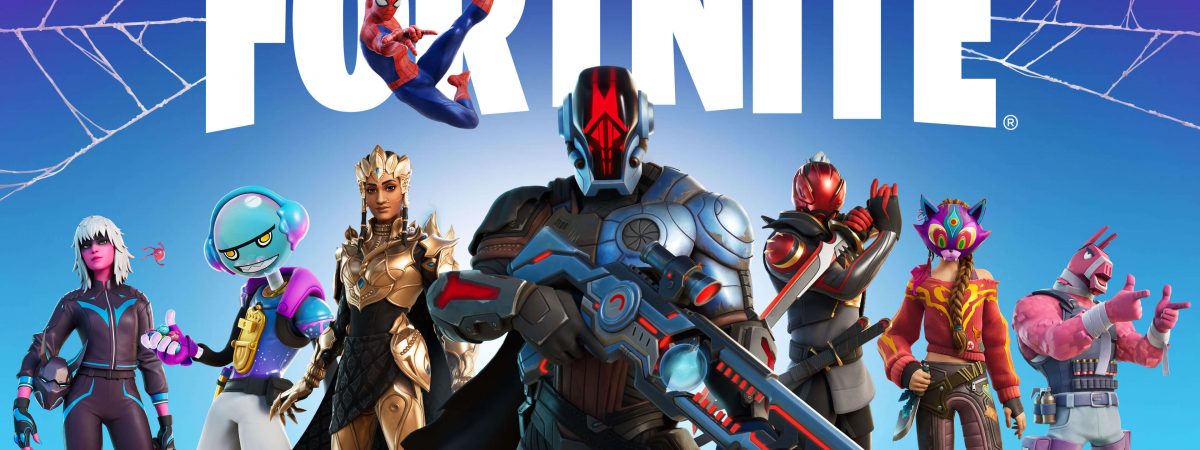
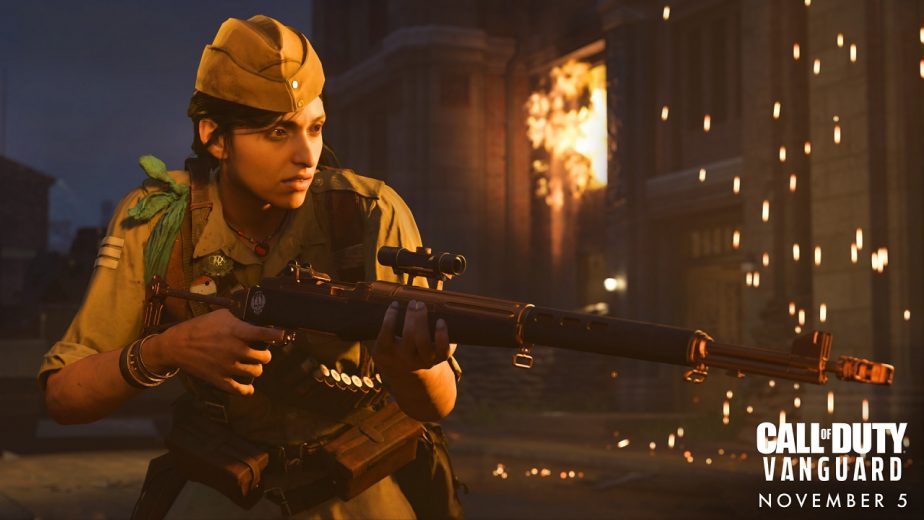
You can find free versions of almost every genre and category of game today. Some of the most popular options are casual titles like Candy Crush and Angry Birds, as well as battle royale games like Call of Duty: Warzone and Fortnite.
Even iGaming companies have got in on the act, with free versions of online poker and other similar games available. These free options contain the same features as real-money games but use play money instead, making them popular with beginners that are looking to learn the ropes and people that don’t want to place wagers.
In both cases, the games are offered for free, but the developers calculate that enough players will be willing to pay for in-game items, like new skins and other customizations, or to deposit money to play the real-money version.
A Model That Works Better for Everyone?
The free-to-play model that sees publishers give away their games for free but allow players to purchase in-game items has become incredibly popular in the last few years. While a large group of gamers bemoans at the constant nagging and the “pay-to-win” elements that can creep into some titles, this approach to monetization and distribution is clearly one that works for most of the stakeholders involved.
Most players don’t ever make a microtransaction payment, so they get to enjoy a quality game for free. The ones that do choose to pay, they’re doing so voluntarily, so are clearly happy with the value that they receiving in exchange.
Players also get to try out more content without risking a large chunk of money up front without knowing whether they’ll actually like the game or not.
The developers and publishers that are involved in the creation and distribution of these titles also win. While only a minority of players actually pay, their contributions more than make up for the ones that don’t. More income can also be acquired by selling merchandise, licensing agreements, and ad space in the game itself.
On top of all this, free-to-play games can’t be pirated since they’re distributed for free anyway and the paid content requires a connection to the developer’s servers, allowing all transactions to be verified.
The Future?
With this in mind, it is perfectly possible to imagine a future in which at least the vast majority video games are free and offer in-app purchases as their only or primary form of monetization.
The trend can already be seen in other types of software, most of which have turned into “software as a service” rather than the traditional one-off purchase model. Gaming is heading along this same path and will likely catch up pretty soon.
After all, the popularity of free games was proven by Doom nearly 30 years ago, and many of the same factors remain in play today.