

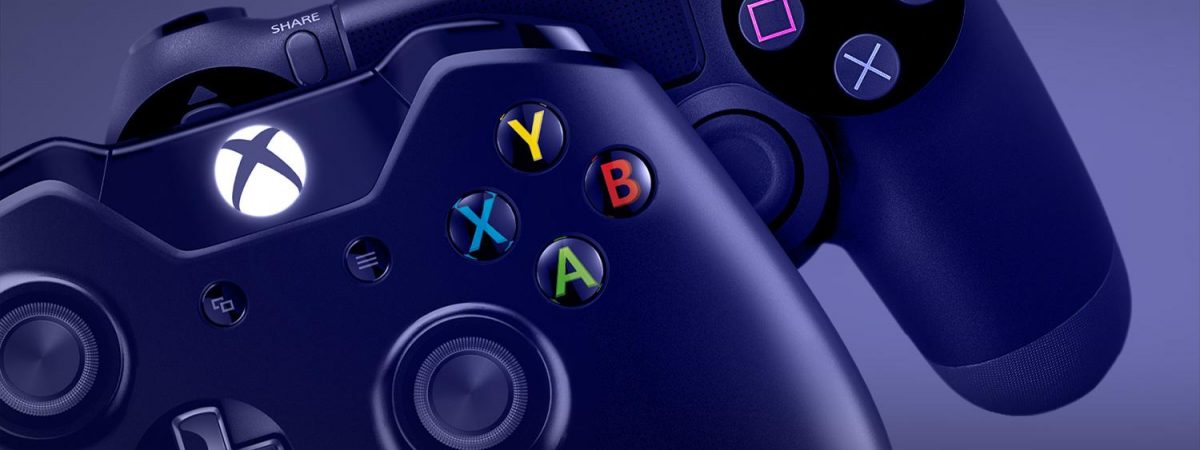


For a long time, gaming was viewed as merely a way to pass the time. A hobby. Maybe even a bad habit. But as more people have grown up with games—not just playing, but sticking with them year after year—it’s become clear there’s more happening under the surface. Regular gaming does more than most folks give it credit for.
We’re not talking about tournament-level skill or gaming turning into a job. This is about the average person who plays three, four, maybe five times a week. The one who picks up a controller after work, logs into a favourite server, or squeezes in a couple of rounds between errands. Over time, consistent gaming creates patterns, habits, and even subtle skills that manifest in places far beyond the screen.
Little Things Add Up Fast
Most people don’t notice it at first. But regular gaming slowly teaches structure. You start planning sessions. Not in a strict way—just enough to make sure you fit in a goal or two. You learn to manage time better. One hour really means one hour, not three. That alone changes how you approach the rest of your day.
And there’s something else. Games have rules. Not just mechanics, but systems that require input, correction, and feedback. Over time, players adapt. They start responding to problems instead of panicking. That practice, repeated over dozens of different games, shifts how you react in real life, too.
This kind of growth applies across genres, but it stands out when money is involved, such as in casino-style games that mirror real-world stakes. You start thinking in terms of value, not just score. People drawn to those games often discover they’re not playing just to win—they’re engaging with systems designed around probability and risk. In that space, the appeal of a platform built around the idea of a Real Prize isn’t just the payout—it’s the mental shift that comes with every decision.
Strategy, Not Just Reflex
Everyone loves to talk about fast reflexes in games. Twitch shooters. Timed combos. Racing the clock. That’s one part of it, sure. But real gamers—the ones who play consistently—start leaning into something else: decision-making. When you’re playing often, you don’t just act fast. You start to think ahead.
In a tactical game, you’re not just reacting to the enemy—you’re predicting what comes next. In a sports sim, you’re reading your opponent before they even move. You start planning out builds, anticipating worst-case scenarios, and looking for patterns. And it’s not all conscious. Some of it just becomes instinct. But it’s learned. You trained that instinct without knowing.
Those mental reps matter. It might not seem like gaming is improving your ability to juggle a work schedule or assess risk, but it is. That same thinking—the quick planning, the resource management, the weighing of outcomes—carries over. Slowly, the way you approach problems outside of the game starts to shift, too.
Quiet Confidence
There’s a kind of confidence that builds when you’ve failed at something fifty times and finally get it right. Gamers feel that all the time. You wipe on a level, restart, fail again, and keep going. Then one day it works. And you realise it wasn’t luck—it was progress.
Once you’ve overcome enough of those obstacles in a game, real-life frustration doesn’t sting quite as much. You’ve built up a little tolerance for things not going your way, and that helps more than you’d expect.
This isn’t loud confidence. It’s not about being the best. It’s quiet. It shows up when you try something new without hesitation, or when you keep at something other people gave up on. Games give you that, if you stick around long enough.
Social Skills—Yes, Really
Not every gamer is social. That stereotype has stuck for too long. But let’s be honest—most games today are built around interaction. You’re queuing with teammates, trading items, chatting in servers, or working with a guild. That’s social navigation, whether you realise it or not.
Some players learn to lead. Others get better at listening. Even just learning when to speak and when to stay quiet during a high-stakes moment teaches awareness. Regular gamers, especially those who play online, spend hours honing their ability to communicate effectively under pressure.
Sure, not all of it’s pretty. Tempers flare. Mistakes happen. But you learn. You build a thicker skin. You develop a better read on people. And if you’ve ever coordinated a group of strangers to work toward a shared goal in a game? That’s leadership training, right there.
Long-Term Payoff
People who stick with gaming don’t always talk about the side effects. They just know that when life throws a curveball, they’ve got ways to think through it. They know how to set a goal and work toward it without getting bored. They know what it feels like to build a habit and how to troubleshoot when something’s off.
And maybe most important—they’ve built a space that’s theirs. A place where progress is possible, where they’ve already succeeded more times than they can count. That’s a boost a lot of people don’t get elsewhere. Especially in jobs or environments where feedback is vague or slow, games fill that gap.
You can even see it in the kinds of conversations players have when they’re not playing—debating story arcs, revisiting character decisions, or imagining things like how a Mass Effect adaptation could work, not just for fun, but because the stories left that much of an impression.
Some call it escapism. And sure, sometimes it is. But it’s also practice. Quiet, consistent, and oddly effective.
Conclusion
Gaming isn’t magic. It doesn’t turn anyone into a superhero overnight. But for those who play regularly—week after week, year after year—it’s shaping something meaningful.