
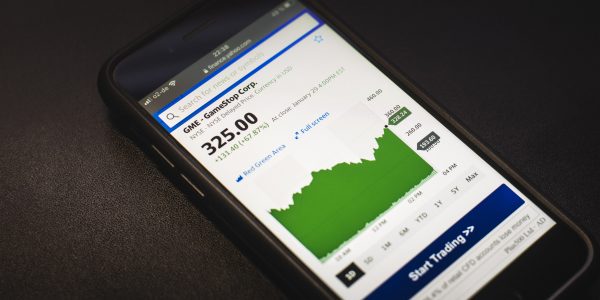
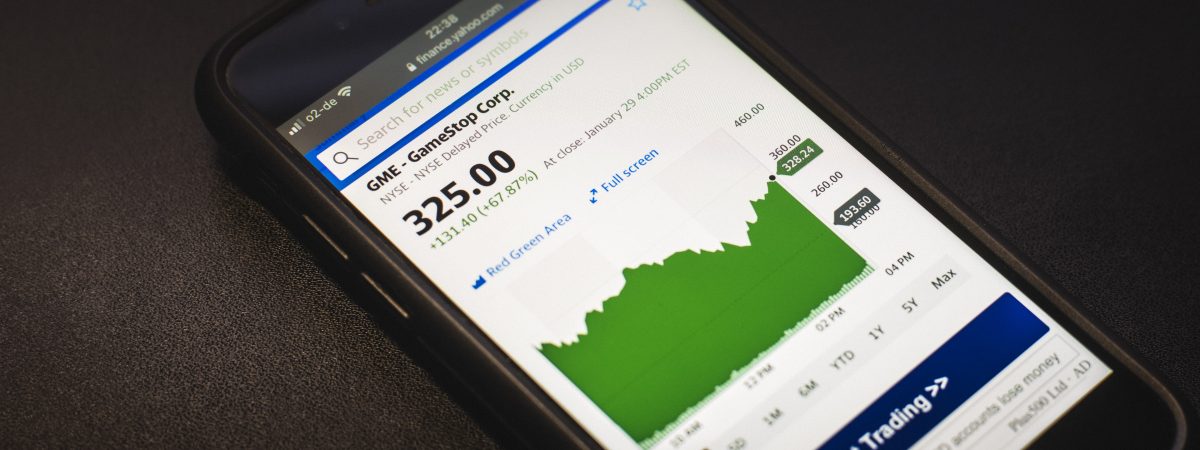


Even if you aren’t an experienced investor, you’ve probably heard all of the commotions over the soaring of GameStop stock this past January. While there were plenty of news outlets covering this event back when it occurred, it’s being put under the microscope again.
After the chaos, the Securities and Exchange Commission (SEC) initiated a month-long, detailed and thorough investigation into what led to GameStop’s short squeeze and to identify any fraudulent activity.
The result was a 45-page detailed report covering what happened with GameStop and other meme stocks in January.
What Happened With GameStop?
January was an insane month for GameStop, one of America’s top video game retailers known for reselling used video games and pc games. In 90 minutes, the retailer’s stock experienced a short squeeze and caused financial consequences to hedge funds and short-sellers.
However, it was not a random occurrence. While it was quite the short squeeze, it was only a matter of time until it happened. This is because investor interest surrounding GameStop increased back in 2019 on the popular online platform known as Reddit.
The short squeeze occurred because investors were picking up stock at a rapid pace. At the end of January, over 900,000 unique accounts were trading the stock.
The overall goal to trigger a short squeeze was led by a Reddit group named WallStreetBets.
According to the SEC’s report, here are some of the consequences of GameStop’s short squeeze:
- Most hedge funds remain unscathed
- Over 888,000 investors traded GameStop stock in January
- SEC regulators are looking into “game-like” trading apps
- Companies like Robinhood and other brokerages may still be subject to trading restrictions
- Not many changes will be made to market structure rules
The SEC’s responsibility is to protect all types of investors and follow up on any leads from whistleblowers that may show signs of fraudulent activity. However, the SEC investigation did not find any fraudulent activity, and GameStop’s share price remained high even after the incident on January 28th.
So, what could this recent SEC investigation mean for GameStop and its large pool of customers?
What Does This Mean for GameStop?
After the January frenzy, it’s worth examining what GameStop is doing as a company to boost revenue. However, the company’s most profitable activity occurred back in 2016 and has yet to bounce back.
Here are some of GameStop’s business plans after the short squeeze:
- Investing in technology
- Leveraging its digital assets
- Modernizing its fulfillment operations
- Diversifying its product offerings to include PC gaming, monitors, computers, mobile gaming products, gaming TVs and game tables
Additionally, some GameStop stores will be closing so the company can refocus its efforts on building a viable e-commerce presence.
While GameStop has found success in the reselling of used video games, that strategy simply won’t work anymore. More likely, GameStop will try stealing market share from other online game retailers like Amazon and Best Buy.
Aside from making a digital transition, one of GameStop’s executives stepped down in recent weeks after only being hired in March. After the short squeeze, GameStop made major management changes, and more infrastructure changes may come as we get ready to enter the new year.
Expect More Offerings From GameStop
In the next few years, both novice and experienced gamers may see more quality products come from GameStop as the company tries to remain profitable and competitive in the gaming landscape. It’ll be interesting to see how GameStop performs in the next few months and if this investigation will impact any of its operations.